
The Ultimate Guide to Architectural Lighting Design for Modern Homes
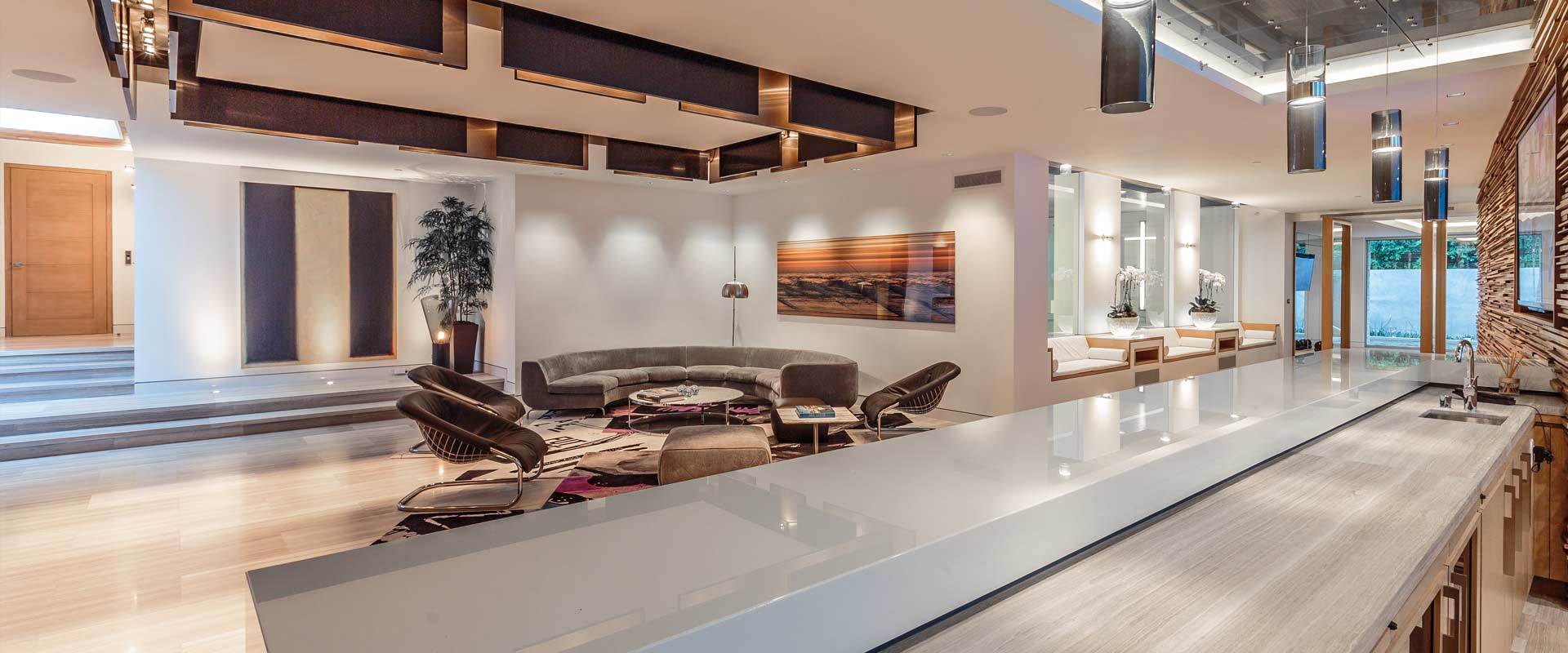
Modern homes rely on thoughtful lighting to create comfortable and functional living spaces. Architectural lighting design plays an important role in shaping how a home looks and feels by highlighting structural features and improving everyday usability. At JMG Audio Video, homeowners in Alpine, Essex Falls, NJ, Franklin Lakes, Hoboken, Ridgewood, Saddle River, and surrounding areas can explore integrated lighting solutions that work with smart home technology, audio/video systems, and automated controls. Thoughtful architectural lighting design helps balance aesthetics, visibility, and energy efficiency in modern residential environments.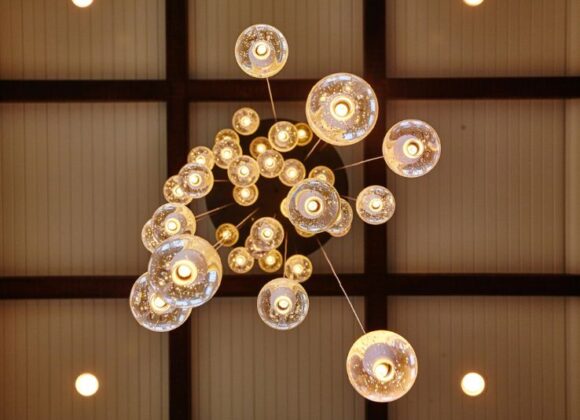
Lighting design is not only about brightness. It involves planning how different lighting layers interact with architecture, furniture, and daily activities. With the right design strategy, lighting can enhance rooms while remaining easy to control.
Key Elements of Residential Architectural Lighting
Modern homes often use a combination of lighting layers to support different needs. These include:
- Ambient lighting: Provides general illumination for everyday activities.
- Task lighting: Focused lighting used for areas like kitchens, reading spaces, and work areas.
- Accent lighting: Highlights artwork, architectural details, or textured walls.
- LED architectural lighting: Energy-efficient fixtures that integrate cleanly into ceilings, coves, and cabinetry.
Using multiple layers allows homeowners to create flexible lighting scenes for different times of day.
Integrating Lighting with Smart Home Technology
Lighting becomes even more effective when integrated with home automation systems. Many modern homes now include smart lighting controls that allow homeowners to manage lighting through wall panels, remotes, or mobile devices.
Smart home lighting design may include:
- Lighting scenes for entertainment, relaxation, or evening routines
- Automated dimming and scheduling
- Integration with automated shades
- Centralized lighting control with other smart home systems
These systems simplify daily routines while maintaining consistent lighting throughout the home.
Planning Lighting for Modern Architecture
When planning lighting for a modern home, several design factors should be considered:
- Ceiling height and room layout
- Natural light from windows
- Placement of fixtures and LED strips
- Compatibility with home automation systems
- Integration with audio/video and home theater spaces
Professionally planned lighting works alongside technology systems to maintain both comfort and visual balance in a home.
Architectural lighting continues to evolve with smart home integration and energy-efficient fixtures, giving homeowners more control over how their spaces look and function.
If you need assistance, we’re just a phone call away.