
Electric blinds, also called motorized shades, are far more useful than simply blocking light with a button press. When they are properly integrated into a whole-home lighting and automation system, they become an active part of how your home feels and functions throughout the day. For homeowners in places like Scarsdale, the Upper East Side, Tribeca, and across our core service areas in North and Upper-Central New Jersey, this kind of integration is one of the most satisfying upgrades we regularly design and install.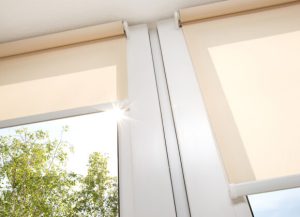
More Than a Convenience Feature
A lot of people first think of motorized shades as a luxury add-on, something nice to have but not essential. In practice, they are one of the most interconnected elements in a well-designed smart home. The reason is straightforward: natural light is one of the biggest variables in how a room looks and feels, and if your lighting system does not account for what is happening at the windows, it is working with incomplete information.
When electric blinds are integrated through a control platform like Crestron, Control4, or Lutron, they can communicate with your lighting, your HVAC, and your AV equipment in real time. The shades are not operating independently anymore. They are part of a coordinated system that responds to time of day, occupancy, scene settings, and even weather conditions, depending on how the system is configured.
How the Integration Actually Works
The starting point is the control platform. In our installations, whether we are working in a townhouse on the Upper West Side, a high-rise in Midtown Manhattan, or a large residential property in Franklin Lakes or Saddle River, the shades are programmed into the same ecosystem as the rest of the home’s technology. This is what separates a properly integrated system from a collection of separate gadgets.
A practical example: a homeowner creates a “movie” scene in their home theater or living room. When that scene activates, the lights dim to a preset level, the AV system powers on and selects the right input, and the shades drop to eliminate glare from the windows. Everything happens in one step, not four. The opposite scene, “good morning,” might raise the shades gradually to let in natural light while the lights fade up gently and a preferred music source begins playing throughout the house.
Lighting systems like Lutron Homeworks are particularly well suited for this kind of coordination because they are designed from the ground up to work alongside motorized shades. Lutron’s own shade products integrate natively, and third-party shades can often be brought into the same environment through the control platform. We spend a significant amount of time during the design phase mapping out these relationships so the behavior feels intuitive rather than mechanical.
Sensors and Scheduling
Beyond scenes, electric blinds can respond to environmental inputs. Light sensors mounted on the exterior of the home can detect direct sunlight and automatically close specific shades to protect furniture and reduce heat gain, then open them again as conditions change. Time-based schedules are another layer, so shades in east-facing rooms might rise at sunrise and close again by mid-morning without any manual input at all.
For clients in areas like Scarsdale or across the Upper East Side where privacy is a priority alongside aesthetics, scheduling and sensor automation work together to keep the home feeling open during appropriate hours while maintaining the level of privacy the family expects.
The Design Side of the Equation
Because we work closely with interior designers, architects, and builders, the shades themselves are chosen with the overall design in mind, not just the technical spec. Fabric weight, opacity, color, cassette style, and how the shade pockets are built into the architecture all factor in well before installation day. This is the kind of coordination that keeps a finished project looking intentional rather than retrofitted.
Clients in Tribeca lofts, homes in Ridgewood and Tenafly, and properties throughout our service area have all benefited from this approach. When Jason and our team are involved early in the build or renovation process, it gives us the opportunity to plan conduit runs, power sources, and control wiring in a way that disappears into the structure. The result is a system that works reliably and looks exactly as the designer intended.
What Good Integration Looks Like Long-Term
One of the things we hear most often from long-term clients is that they appreciate how easy the system is to use years after installation. That does not happen by accident. It comes from programming that is thought through from the homeowner’s perspective, documentation that our team maintains, and ongoing support when adjustments are needed. We have clients who have been with us for close to a decade or more, and their systems continue to perform because they were designed correctly at the start and kept current over time.
If you are thinking about adding electric blinds to a new or existing automation system, or if you are starting a build and want to understand how shades fit into the broader smart home design, we are happy to talk it through. Give us a call or drop us an email and we can discuss what would work best for your home.